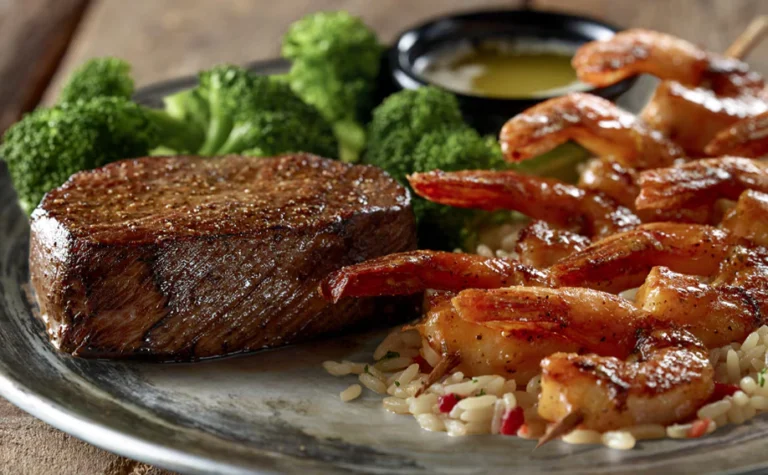
LongHorn Steakhouse built its name on flame-grilled steak, and the way the kitchen cooks your steak shapes the whole meal. The cut matters, the size matters, and the doneness you ask for matters, but the cooking itself is what turns a piece of beef into the steak you remember. This guide explains how LongHorn cooks its steaks, what the seasoning does, how doneness works, and how to order so the kitchen gets your steak right the first time.
Flame-Grilled: What It Means for Your Steak
LongHorn cooks its steaks over an open flame, which is the first thing to understand about the flavor. The high heat sears the outside of the steak quickly, creating a browned crust while the inside stays juicy. That crust is where much of the flavor lives: it adds a light smokiness and a savory depth that a flat pan cannot quite match. You can see it in the grill marks and taste it in the first bite.
Flame grilling also explains why the same cut can taste different from one visit to the next. The heat is intense, so a steak cooked over flame goes from rare to medium in a short time. That is why the kitchen asks for your doneness, and why it matters to answer clearly. A thick cut such as the Outlaw Ribeye has more room for error than a thin one, because the heat takes longer to reach the center. If you are unsure, medium rare is the doneness the kitchen handles best on most cuts.
The Seasoning: Prairie Dust and Simple Flavor
LongHorn seasons its steaks before they hit the grill. The best known example is the Renegade Sirloin, which is seasoned with the house blend called Prairie Dust, a savory seasoning that gives the lean cut a deep beef flavor. Other cuts are seasoned more simply, so the flavor of the beef itself comes through. Either way, the seasoning is applied before cooking, not after, so it becomes part of the crust instead of sitting on top of it.
You can build on the seasoning with toppings and sauces, but it is worth tasting the steak first. A plain steak with its own seasoning and a simple side shows you what the cut actually tastes like. If you want more flavor, the sauces and toppings guide on this site explains which additions suit each cut, from blue cheese butter on a filet to mushrooms and onions on a sirloin.
Cooked to Order: Doneness and Timing
Every steak at LongHorn is cooked to the doneness you ask for, from rare to well done. The kitchen uses temperature as its guide: rare is cool and red in the center, medium rare is warm and pink, medium is pink in the middle, and well done is cooked through with no pink left. The full guide to doneness on this site explains each level with temperatures and which cuts suit each level best.
Two things are worth knowing about timing. First, a steak keeps cooking for a short time after it leaves the grill, so the kitchen pulls it off a little before it reaches the final temperature. This is called carryover cooking, and it is normal. Second, a steak benefits from a short rest before it is served, which lets the juices settle instead of running out when you cut into it. If your steak arrives and looks a touch rarer than you expected, give it a minute before you decide it is wrong.
What Affects How Your Steak Turns Out
Three things decide the result more than anything else: the cut, the thickness, and the doneness. A heavily marbled cut such as the Outlaw Ribeye stays juicy even when it is cooked longer, because the fat melts into the meat. A lean cut such as the Renegade Sirloin is best at medium rare, because cooking it further dries it out. A thick cut forgives small timing differences, while a thin cut does not. The portion sizes guide on this site explains the size bands for each cut, from 6 oz to 22 oz, so you can match the cut to your appetite.
The time of your visit can also matter. On a busy Friday night the kitchen is working through a long line of orders, so a steak may arrive a little faster or a little slower than usual. That is normal in any busy steakhouse. If your steak is not cooked the way you asked, say so right away: the kitchen would rather fix it than have you eat a steak you did not want.
How to Order So the Kitchen Gets It Right
Ordering a steak well is simple once you know what to say. Name the cut first, then the size, then the doneness, in that order. For example: Renegade Sirloin, 8 oz, medium rare. That gives the kitchen everything it needs in one sentence. If you want a topping or a sauce, mention it at the same time so it is cooked or prepared with the steak rather than added as an afterthought.
If you are not sure which cut to pick, ask your server. Tell them what you like: lean or rich, tender or firm, a smaller portion or a big one. They cook these steaks every day and they know which cut fits which taste. And if you are ordering for someone else, ask them for the doneness before you order, because guessing wrong is the most common reason a steak comes back.
Frequently Asked Questions
Are LongHorn steaks grilled over an open flame?
Yes. LongHorn cooks its steaks over an open flame, which sears the outside and gives the meat its smoky, grilled flavor.
What is Prairie Dust seasoning?
Prairie Dust is LongHorn’s house seasoning blend, used on the Renegade Sirloin. It adds a deep, savory flavor to the lean cut.
What doneness should I order for a steak at LongHorn?
Medium rare is the safest choice for most cuts, because it keeps the steak juicy while giving it a warm center. Lean cuts such as sirloin are best at medium rare, while fattier cuts such as ribeye handle medium well.
Why does my steak keep cooking after it arrives?
That is carryover cooking: the heat inside the steak keeps working for a short time after it leaves the grill. It is normal, and it is why the kitchen pulls the steak off slightly before it reaches the final temperature.
Menu items, prices, and cooking details can change, so please confirm them with your local restaurant.